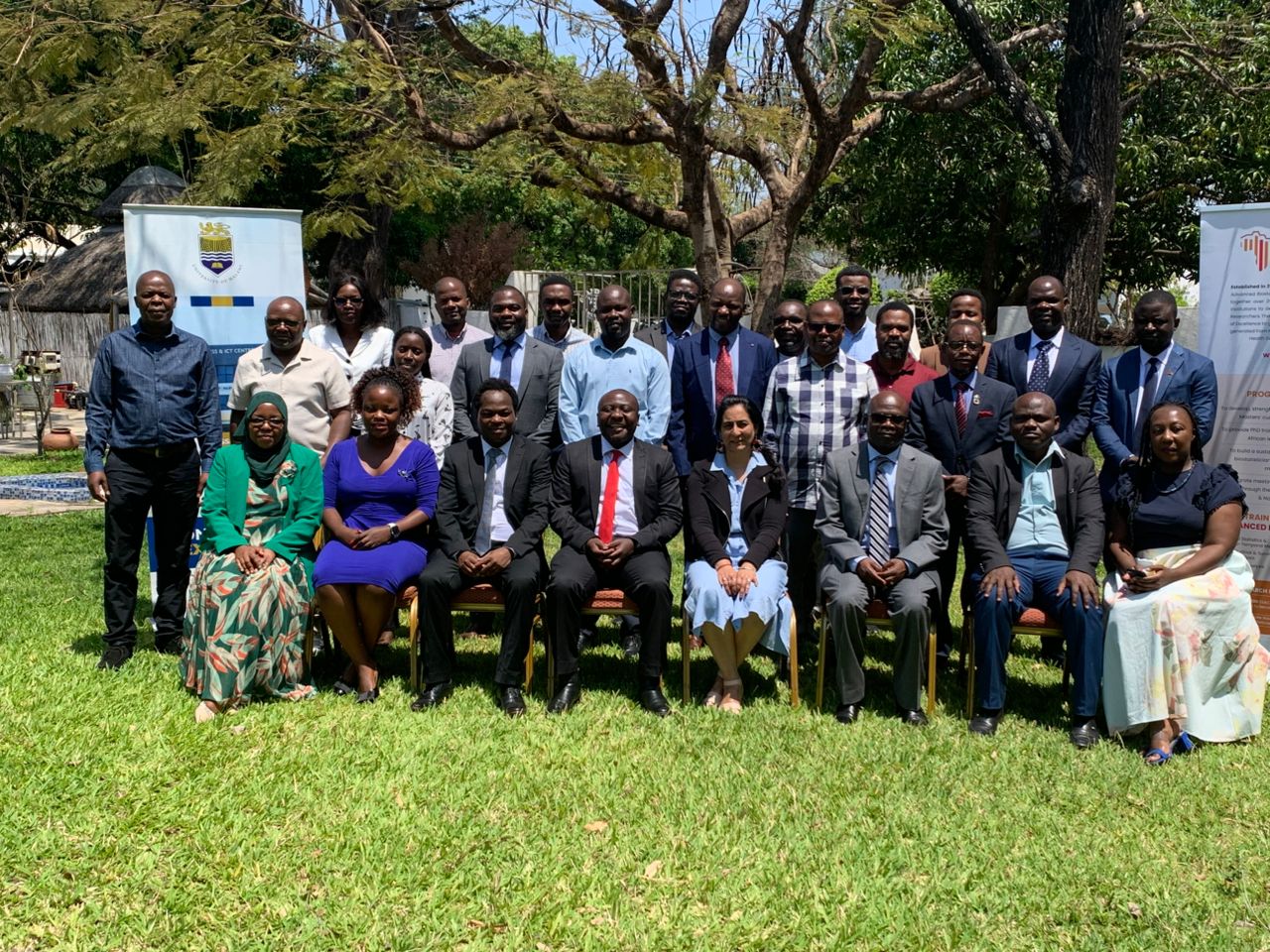
Vice-Chancellor for the University of Malawi (UNIMA), Professor Samson Sajidu, has reiterated the importance of creating a collaboration between higher learning institutions with government to bridge the gap in information concerning health policies and biostatistics data.
Sajidu made the remarks in Salima on the side-lines of opening a three-day Health Policy and Biostatistics Research Engagement Workshop organised by the university.
According to Sajidu, having the data properly interpreted and communicated to government and other stakeholders is crucial in helping them to be alert on different outbreaks and plan on how to mitigate various diseases.
“Biostatics is a guiding tool to policy and decision making. With biostatistics, as researchers we inform government on where to prioritise its resources. We know which areas to capacitate in terms of human development through biostatics,” explained Sajidu.
Dr. Andrew Jamali, acting Director of Knowledge and Learning at the National Planning Commission (NPC), said the aim of health research is to transform people and improve their quality of life in terms of preventative and curative aspects.
However, Jamali lamented that there are a number of reasons that lead to the gap between researchers and policy designers, hence creating challenges in the health sector.
“One of the reasons is that researchers do not have sufficient strategic engagements with policy makers. As such, the researchers need to enhance their connectivity with government, stakeholders and even the community,” stated Jamali.
He added that once research output is there, researchers also need to ask themselves questions of which output, in which package is suitable for which audience in order for the results to lead to transformative operationalisation of the country’s development framework.
Professor Tobias Chirwa, Director of Sub-Saharan Africa Consortium for Advanced Biostatistics (SSACAB) said Malawi is doing its level best in research based on the Malawi 2063 but more needs to be done in linking the gap between research, and policy and practice.
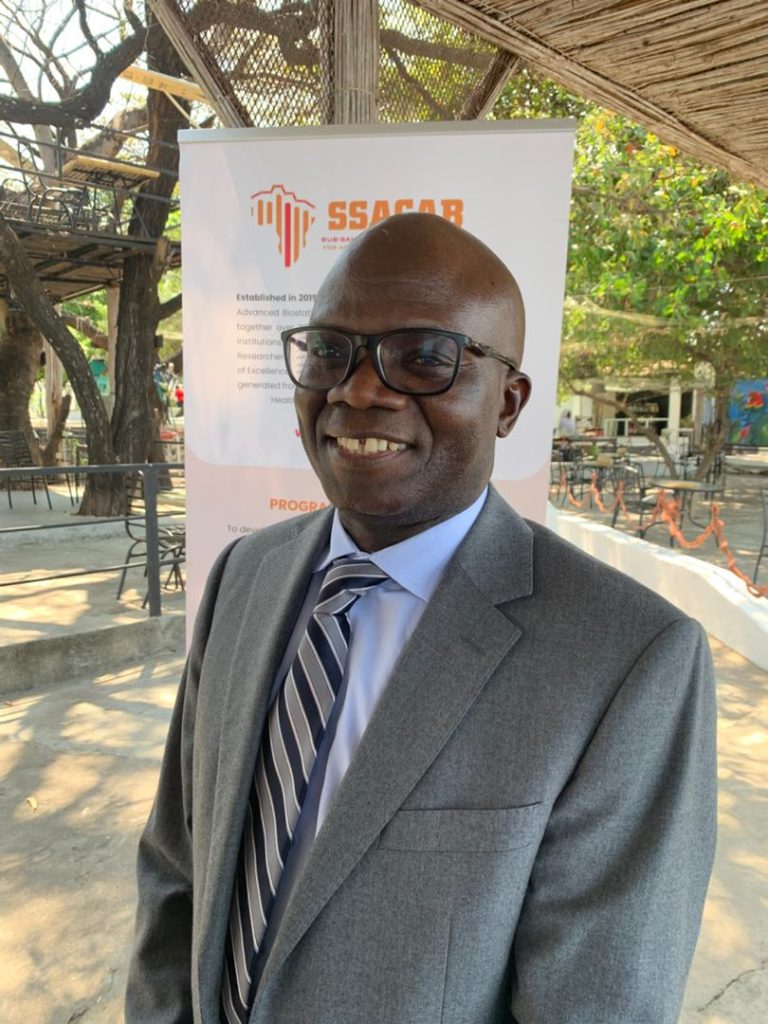
“There are a lot of publications that have been developed, and we need to look at what is relevant for our nation because what we want is to make sure that the analysis of biostatics should really be having an impact,” explained Chirwa.
The workshop has brought together officials from UNIMA, Ministry of Health, NPC, Science for Africa Foundation, and Malawi Agricultural Policy Advancement and Transformation Agenda (MwAPATA) Institute, among others.