
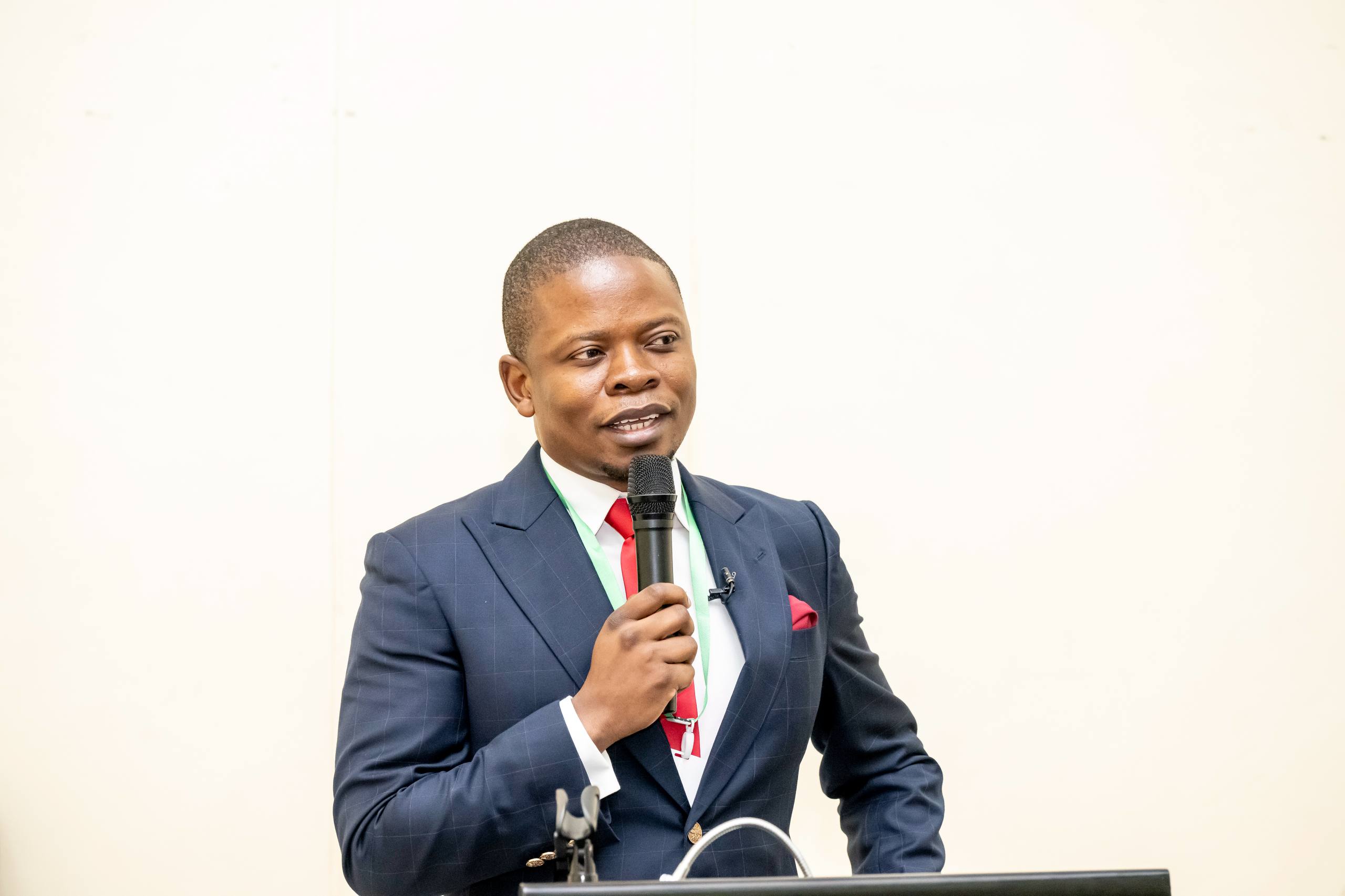
Prophet Shepherd Bushiri has challenged religious leaders across Africa to move beyond preaching and become active economic forces capable of transforming communities through practical development initiatives.
Delivering his keynote address during the International Conference on Religion and Sustainable Development held at the University of Malawi, in Zomba today, 10 April 2026, Bushiri emphasised the need for faith institutions to shift from spiritual guidance alone to tangible implementation that contributes to national and continental progress.
Bushiri said Africa must redesign its development structures if it is to accelerate economic growth and achieve meaningful transformation.
He noted that many African countries, including Malawi, have normalised dependency under the guise of development, a trend he described as a major barrier to sustainable progress.
“Religious leaders must become an economic force that changes faith into implementation. Africa cannot continue depending on others while calling it development,” said Bushiri.
He further urged African leaders and institutions to embrace self-reliance, innovation and home-grown solutions to poverty and underdevelopment.
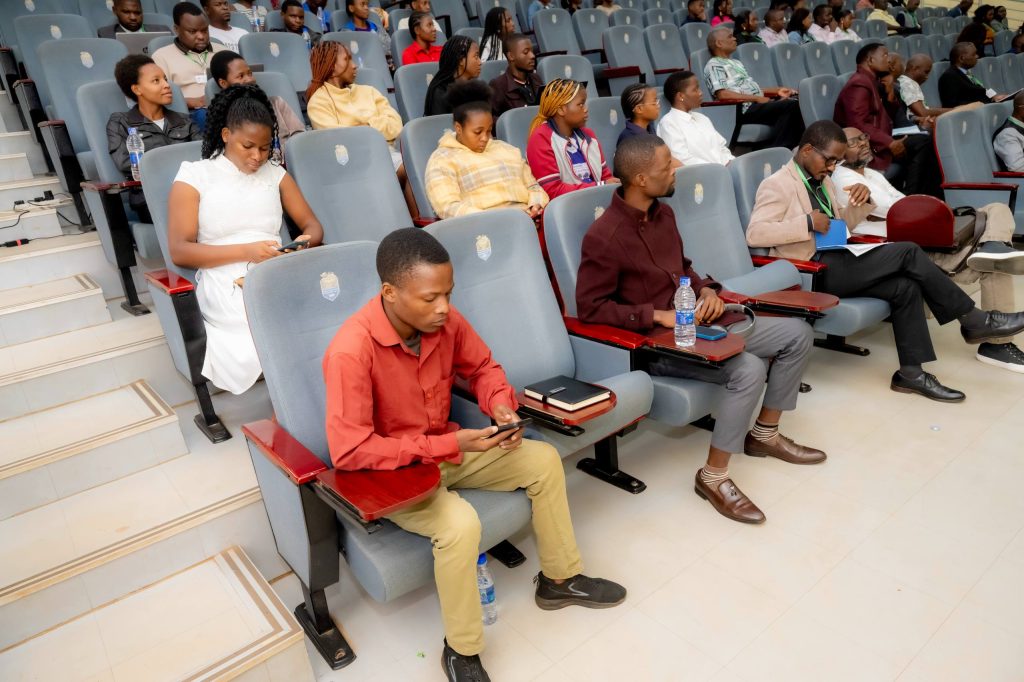
The conference, themed “Religion and Sustainable Development: Towards Biodiversity and Climate Justice in Africa,” brought together scholars, church leaders, development practitioners and policymakers to discuss the role of religion in advancing sustainable development across the continent.
University of Malawi’s Vice-Chancellor, Professor Samson Sajidu underscored the importance of bridging academic discourse, faith and development in addressing Africa’s pressing challenges.
“Universities and religious institutions have a shared responsibility to produce ideas and solutions that directly respond to the realities facing our communities,” said Sajidu.
He further commended the conference organisers for creating a platform that encourages meaningful dialogue on sustainable development and the role of religion in societal transformation.
The two-day conference was organised by the University of Malawi, Malawi Council of Churches and Blantyre Synod University.
