Minister of Information and Communication Technology, Shadric Namalomba, has encouraged community and regional radios to continue being true architects of the voice of community members.
Namalomba said this in Blantyre during an interface meeting organised by the Malawi Communications Regulatory Authority (MACRA) for senior officials of community and regional radios based in the Southern region and the minister.
According to Namalomba, community and regional radios are the foundation for building a prosperous nation because they play a big role in promoting development and keeping citizens informed and involved in whatever is happening in their areas.
He added that the radio stations also link authorities and community members on different initiatives, which promotes transparency and accountability.
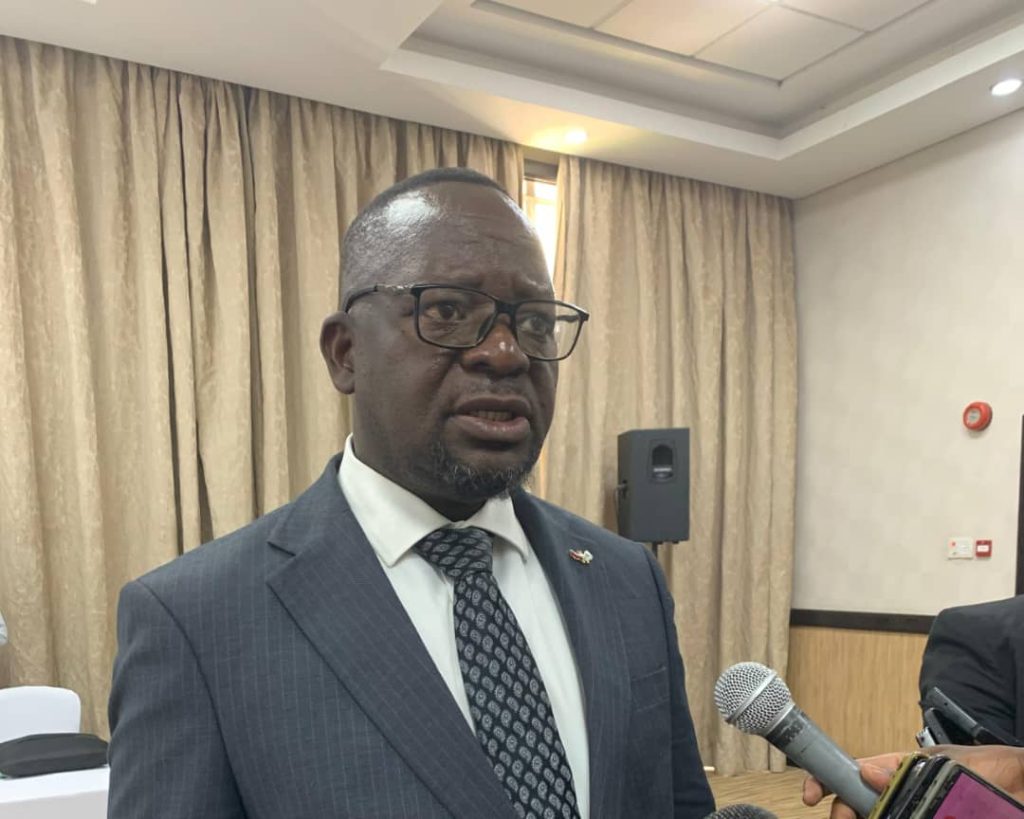
“Community and regional radio stations are like a bridge between national aspirations and community understanding of various development projects. In so doing, people in the community understand their role and how best they can contribute towards developing this country,” explained Namalomba.
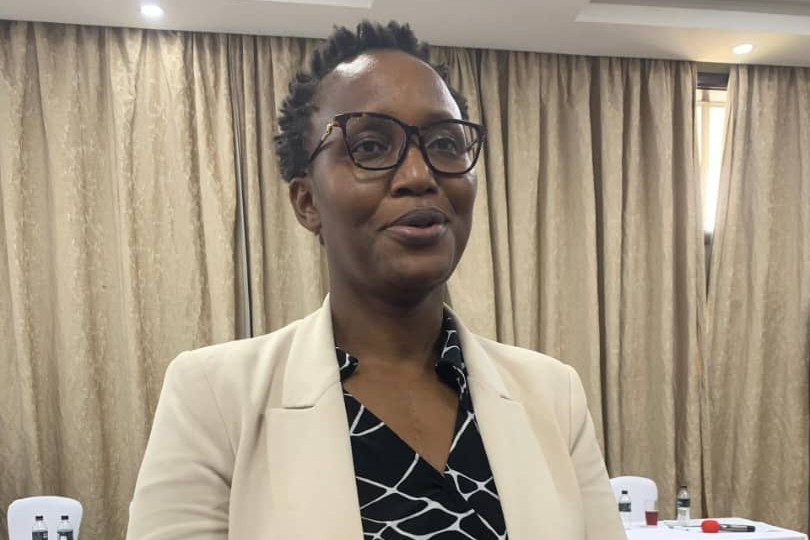
Acting Director General for MACRA, Mphatso Phiri, said the interface meeting was organised to create a platform for the radio stations to present their challenges to the minister.
“Members of staff from community and regional radio stations live in the localities together with the audience they serve. As such, they have a better understanding of what needs to be done in the communities. The meeting was organised to give them a chance to explain their challenges, successes and opportunities so that we should be moving together,” said Phiri.
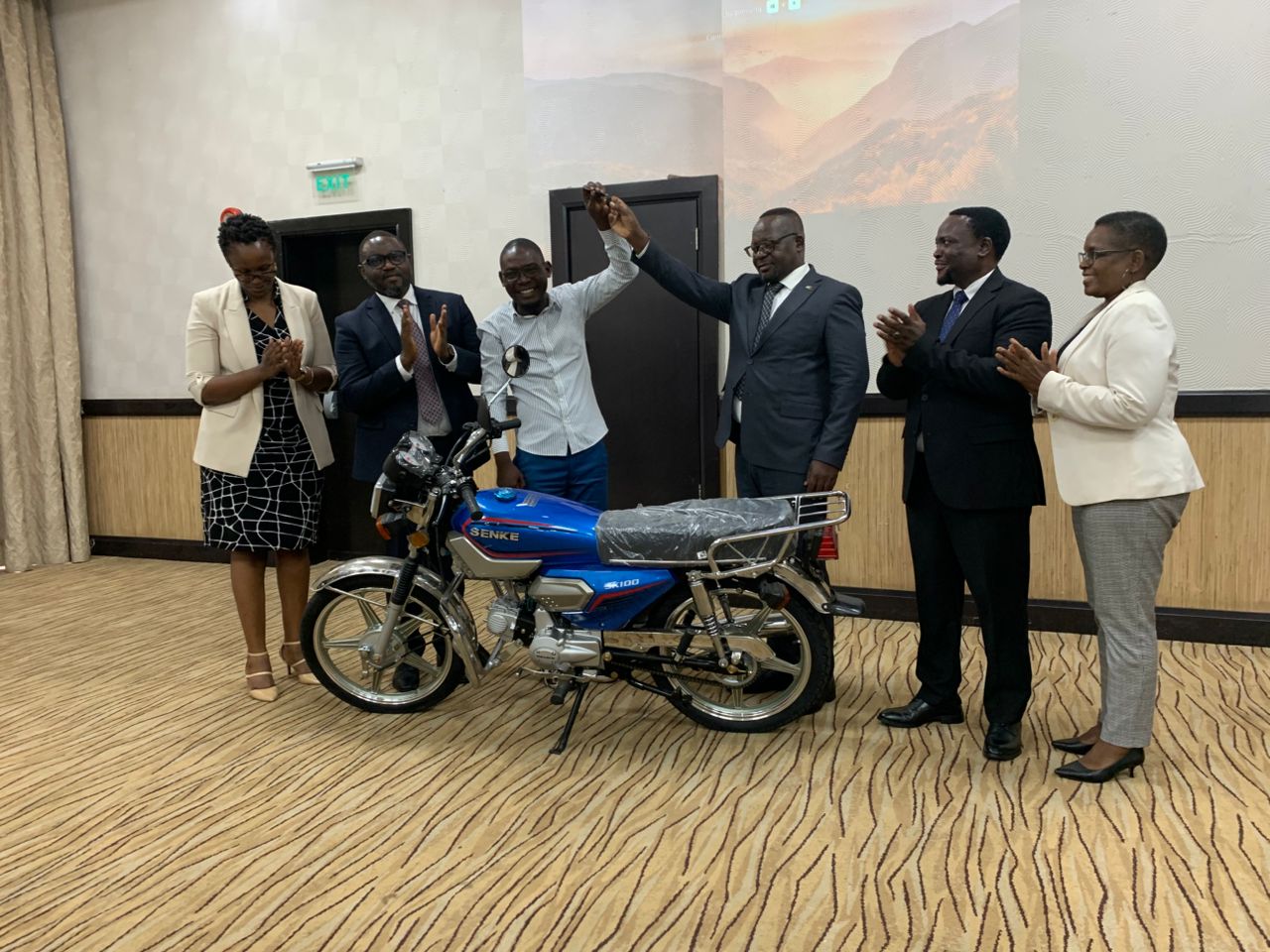
Namalomba announced that government has donated a motor cycle to all the radio stations that were present at the meeting.
Commenting on the donation, Blessings Melo, Managing Director of Chibvomerezi FM, said the motorbike will ease logistical challenges and help the radio stations to reach people in remote parts of the country.
“These motorbikes will help us to give people from hard-to-reach areas a chance to express their views. We will now be travelling easily and interact with people whom we could not have managed to reach because of transport challenges,” explained Melo.