The opening weeks of every Super League season often produce excitement, illusion and overreaction in equal measure.
Newly promoted sides either arrive with fearless momentum or are immediately exposed by the harsh realities of elite football.
Yet, history in Malawi suggests that the first three matches frequently offer important clues about who is built for survival and who is merely enjoying an emotional honeymoon.
A glance at the trajectories of promoted sides from the past three seasons paints a revealing picture.
In 2023, Extreme FC, Chitipa United and Bangwe All Stars all struggled to establish early momentum.
Extreme lost to Mighty Tigers before drawing with Civil Service United and then narrowly falling to Bullets.
Bangwe collected successive draws before inconsistency crept in, while Chitipa oscillated between promise and vulnerability.
None looked fully convincing from the outset and only Extreme FC were relegated in that season.
In 2024, Baka City, FOMO and CRECK entered the league with differing fortunes.
CRECK’s aggressive start, including back-to-back victories over Mighty Tigers and Moyale Barracks, immediately suggested a side psychologically prepared for top-flight football.
FOMO and Baka, meanwhile, looked more cautious and survival-oriented, and they were both relegated in the end.
Then came 2025, where Songwe Border United’s disastrous opening sequence – defeat to Moyale, a 4-0 hammering by Blue Eagles and a humiliating 7-0 collapse against Bullets – effectively signalled relegation danger before the season had even settled.
Songwe would later set a record for being the earliest relegated team in recent memory notching a single victory and posting 26 losses on the board while collecting a dire six points after 30 games.
Ekhaya FC, however, showed the opposite profile: disciplined, compact and difficult to break down, collecting wins against Mighty Tigers and Civil Service United before narrowly losing to Chitipa. Ekhaya, after all their exploits, finished fifth in their maiden top flight season.
Against that historical backdrop, the starts made by Masters Security FC, LUANAR Mitundu and Red Lions this season become highly significant. For Masters FC, they appear the most likely to survive, not necessarily because they are playing the best football, but because they are already mastering the most important currency in relegation battles: points accumulation.
Two matches, two wins, six points. That statistic alone places them ahead of the survival curve established by most newly promoted Malawian sides in recent years.
What makes Masters particularly intriguing is that even their coach, Peter Mponda, admits performances have been below par. Against Karonga United, they were second best for large periods, unsettled by the atmosphere and overwhelmed early on. But unlike fragile rookie sides that crumble under pressure, Masters displayed emotional resilience, and that matters enormously in Malawi’s elite league.
Away trips to Karonga, Chitipa and Rumphi have historically destabilised experienced teams, let alone a club barely four months old. Yet Masters recovered from going behind and won. Such victories often define survival campaigns.
There is also tactical maturity in Mponda’s post-match assessment. His statement that “what is needed is points” reflects a coach who understands the unforgiving economics of the top league.
Newly promoted teams rarely survive by entertaining football alone. They survive through ugly wins, emotional control and efficiency.
The warning sign, however, lies beneath the results. Masters are still conceding control in matches and relying heavily on resilience rather than structure. Over a 30-game season, emotional energy alone becomes unsustainable. Eventually, systems, squad depth and tactical organisation are tested.
But history suggests that teams collecting six points from their opening two fixtures usually give themselves a strong survival platform. Psychologically, Masters already look like they belong. If Masters have impressed through resilience, LUANAR Mitundu have shown signs of tactical stubbornness.
Four points from two matches, including a draw against MAFCO and victory over Kamuzu Barracks, represents a highly respectable introduction to the league.
What stands out about Mitundu is not flair but competitive functionality. Their victory over Kamuzu Barracks was dramatic and controversial, but survival battles are rarely romantic. They demand grit, emotional toughness and the ability to turn marginal moments into decisive outcomes.
Mitundu already appear comfortable operating in low-margin games, and that is often the profile of teams capable of surviving their first season. Unlike Songwe Border last year, who looked physically and tactically overwhelmed from the opening weeks, Mitundu do not appear intimidated by elite opposition. They are organised, disciplined and capable of grinding results.
However, their long-term survival may depend on attacking productivity. Winning tight matches through late penalties or isolated moments can carry a team through opening weeks, but eventually teams need repeatable attacking patterns.
The concern is whether Mitundu possess enough creativity and squad depth once suspensions, fatigue and injuries emerge later in the campaign.
Still, their early signs resemble clubs that normally remain competitive deep into the season rather than collapse early. At present, they look like a side capable of finishing just above the relegation line.
Red Lions present the most fascinating case. Two draws from two matches against CRECK and Ekhaya FC may not immediately excite observers, but context matters.
Unlike some promoted sides that chase expansive football and leave themselves exposed, Red Lions already look structurally disciplined. They appear difficult to beat, tactically organised and emotionally composed. Those traits alone often keep teams in the division.
Importantly, they are also benefitting from something absent during previous relegation campaigns: the return to Zomba Stadium.
Historically, Red Lions were a completely different proposition in Zomba. The exile to Balaka stripped them of identity, atmosphere and home advantage. Their return restores not just geography, but psychology. That could become decisive.
Coach Malumbo Mkandawire also appears to have implemented a more modern football structure built around recruitment, continuity and tactical clarity.
The presence of experienced figures such as Henry Kamunga and Royal Bokosi, combined with loan reinforcements from Mighty Wanderers and Ekhaya, gives the squad more balance than the previous relegated versions.
The concern, however, is goals. Draws are useful early in the season, but prolonged inability to convert matches into wins eventually drags teams into danger.
If Red Lions become overly conservative, they risk falling into the trap of “respectable failure” – difficult to beat, yet unable to create separation from relegation rivals.
Still, compared to newly promoted sides of previous seasons, Red Lions do not look chaotic or naïve. They look stable, and stability is usually the first ingredient of survival.
In conclusion, if the first two or three games truly provide clues, then all three promoted sides have reason for optimism.
Masters FC currently look the strongest survival candidates because they are already winning despite imperfections, a dangerous trait in relegation football.
LUANAR Mitundu appear capable of grinding enough results to stay competitive throughout the campaign.
Red Lions, meanwhile, look structurally improved and emotionally grounded, particularly with the return to Zomba. The real challenge, however, begins after the opening adrenaline fades.
The Super League, now called FDH Bank Premiership, is unforgiving. Injuries, squad depth, away fatigue, officiating pressure and fixture congestion eventually expose weak foundations.
But unlike some promoted sides of recent seasons who immediately looked overwhelmed, these three clubs have at least passed the first psychological test: none currently looks out of place.
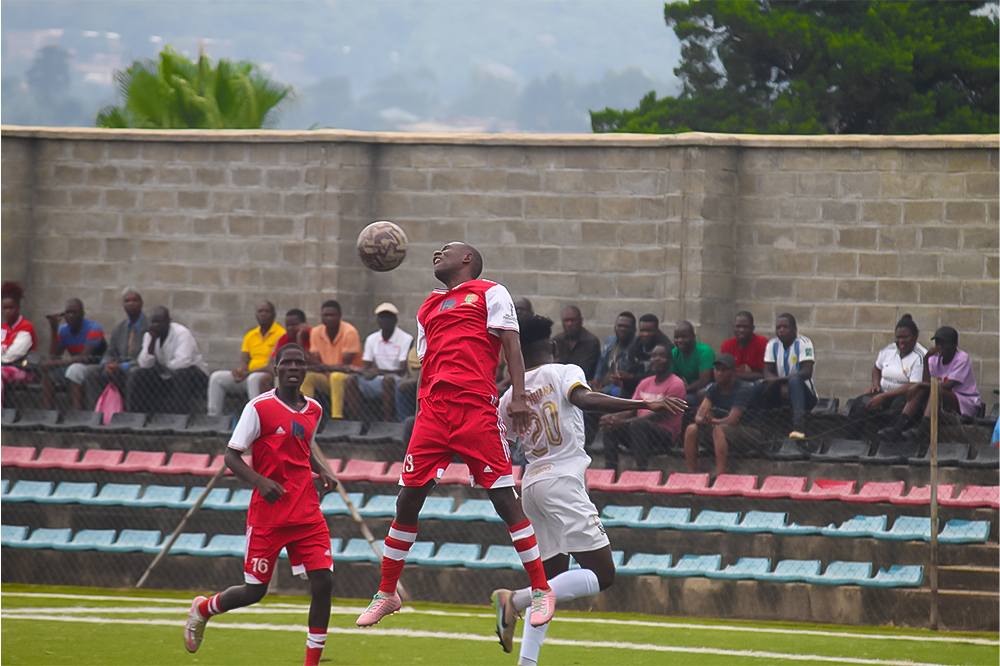
Photo: From Red Lions’ Facebook page