
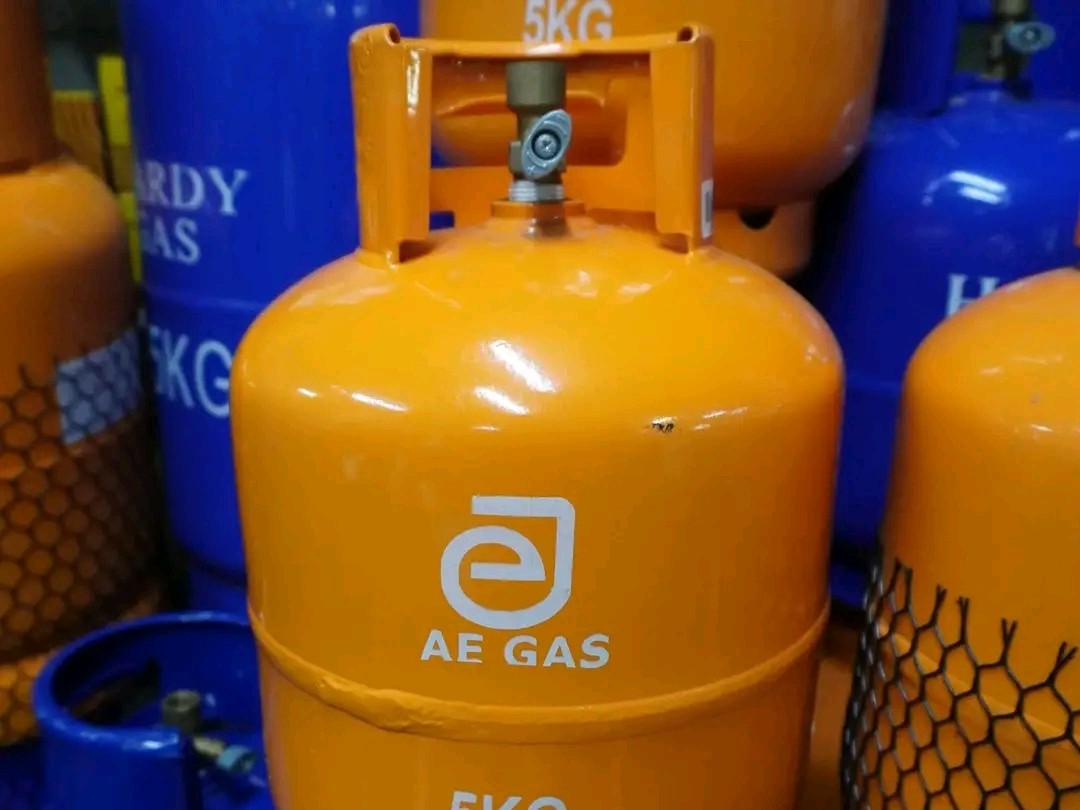
An environmental expert says wider adoption of Liquefied Petroleum Gas (LPG) for cooking can help save Malawi’s forests and reduce pressure on the environment.
Speaking to Malawi News Agency (MANA) on Monday, environmental expert Rabison Ndingo Isaac said continued dependence on charcoal and firewood is speeding up the loss of forests.
“Malawi loses over 30,000 hectares of forest every year due to charcoal and firewood demand. This damages water catchments, reduces soil fertility and causes rivers to dry up faster,” he said.
Ndingo also said LPG is a cleaner alternative that reduces emissions.
“LPG emits 50 to 60 percent less carbon dioxide than charcoal and produces no soot. This helps cut greenhouse gas emissions and reduce indoor air pollution,” he said.
He added that protecting forests through clean cooking improves the country’s ability to cope with climate change.
“Conserved forests act as natural reservoirs and flood barriers, helping rivers hold water longer and reducing floods and droughts,” he explained.

Echoing these views, another environmental expert Charles Bakolo said charcoal production is destroying critical ecosystems.
“Charcoal production in forest reserves and along riverbanks destroys vegetation that prevents erosion, this leads to rivers filling with silt, loss of wetlands and increased flooding,” said Bakolo.
Bakolo also said affordability and access are key to shifting from charcoal to gas.
“Government should reduce taxes on LPG equipment, introduce affordable 3-kilogram cylinders and expand refill points in rural areas to make gas accessible beyond urban areas,” he said.
He has therefore called on government and partners to treat clean cooking as an environmental intervention.
“Investing in affordable LPG alongside reforestation will save forests, protect water resources and build a climate-resilient Malawi,” he said.
