
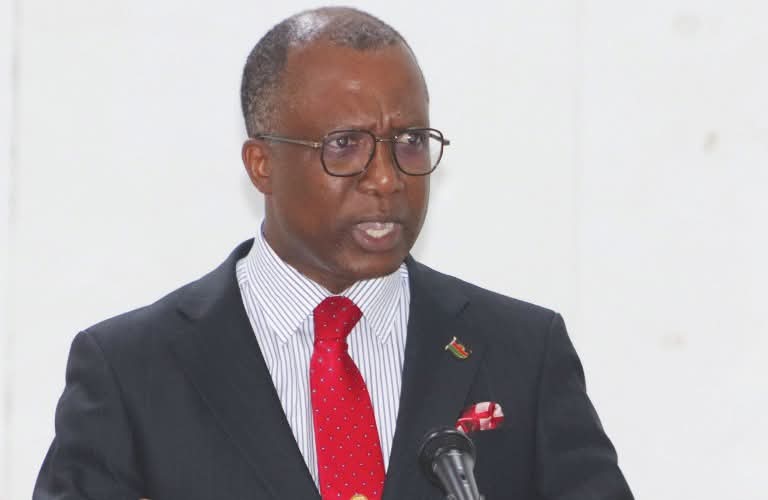
The Malawi Judiciary has reaffirmed its commitment to transforming the country’s criminal justice system through the implementation of plea bargaining, a mechanism aimed at speeding up the resolution of court cases, reducing case backlogs and easing congestion in the country’s prisons.
Speaking during a stakeholders’ engagement meeting held in Zomba on Monday, 22 June 2026, Deputy Chairperson of the Plea-Bargaining Task Force, Justice Dr Chifundo Kachale, said plea bargaining provides an opportunity for eligible suspects to reach agreements with prosecutors, allowing cases to be concluded more efficiently.
“Plea bargaining is an important tool that can help accelerate the disposal of cases while ensuring that justice is served. It allows eligible suspects and prosecutors to reach agreements that facilitate timely case resolution,” said Kachale.
He noted that the framework is expected to play a significant role in reducing the number of inmates being held on remand for extended periods while awaiting trial.
“One of the anticipated benefits of plea bargaining is the decongestion of our prisons, as many inmates are currently on remand awaiting the conclusion of their cases. This approach can help address that challenge while improving access to justice,” he added.
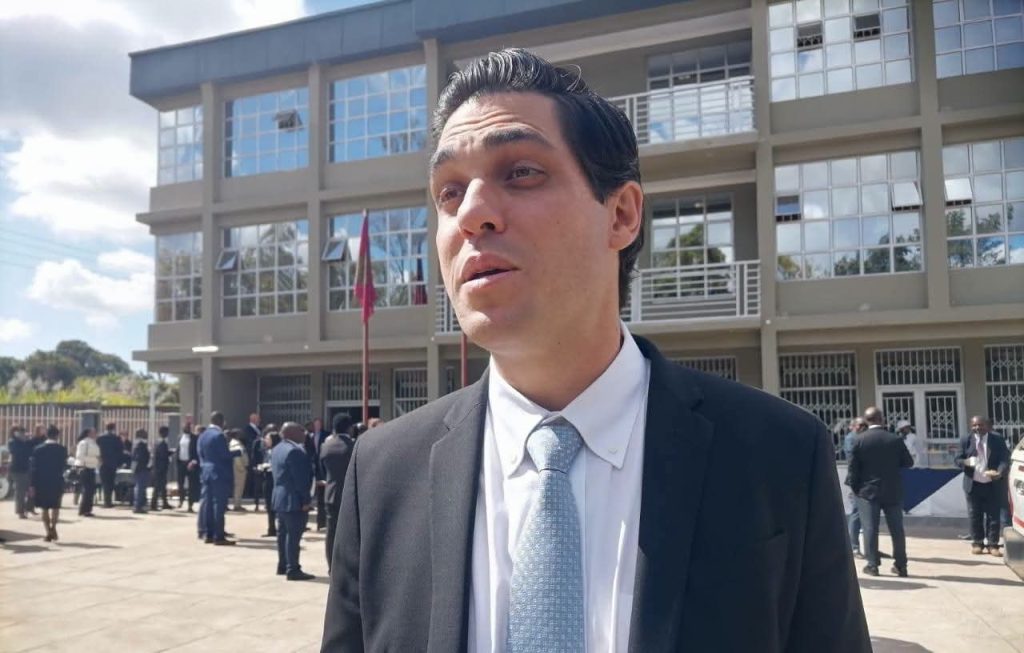
Meanwhile, Executive Director of the Sudreau Global Justice Institute at Pepperdine University, Professor Seth Bamburg, said plea bargaining has proven effective in improving the efficiency of criminal justice systems in different parts of the world.
“Experience from various jurisdictions has shown that plea bargaining can significantly enhance the efficiency of criminal justice systems by reducing delays and enabling courts to focus resources on more complex cases,” said Bamburg.
The meeting brought together key players in the justice sector to discuss the implementation and benefits of plea bargaining as part of broader efforts to strengthen Malawi’s justice system and improve the administration of justice.
