
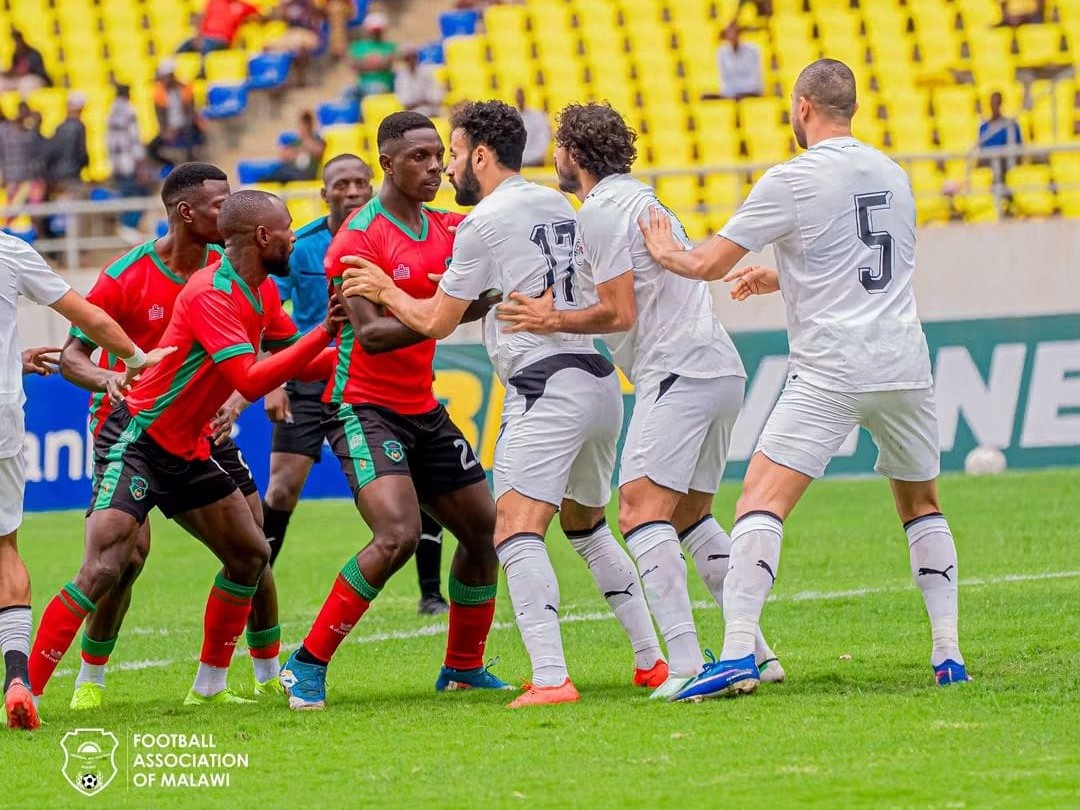
There is something frustratingly encouraging about Malawi’s goalless draw against Egypt at Bingu National Stadium. The Flames have demonstrated that they could stand toe-to-toe with one of Africa’s football heavyweights, compete physically, defend intelligently and even threaten their opponents.
Yet, when the opportunity presented itself to turn a promising performance into a memorable victory, they lacked the creative spark to deliver the decisive blow.
For all their improved organisation, energy and attacking ambition, the Flames were missing one crucial ingredient: a genuine creative playmaker capable of supplying quality final balls into the penalty area for Richard Mbulu or Babatunde Adepoju to finish.
It was a performance that raised an interesting question: had Malawi possessed someone with the vision, composure and technical quality to unlock Egypt’s defence, could they have walked away with all three points?
The contrast with last week’s humiliating 5-0 defeat in Cairo is remarkable. In that encounter, Malawi were tactically disorganised, leaving enormous spaces between their defensive and midfield lines. They struggled to close down Egyptian players, lacked intensity in their pressing and allowed their opponents too much time and freedom to dictate proceedings.
The Pharaohs exploited those weaknesses ruthlessly.
This time, however, Kalisto Pasuwa’s men appeared to have taken important lessons from their humiliation.
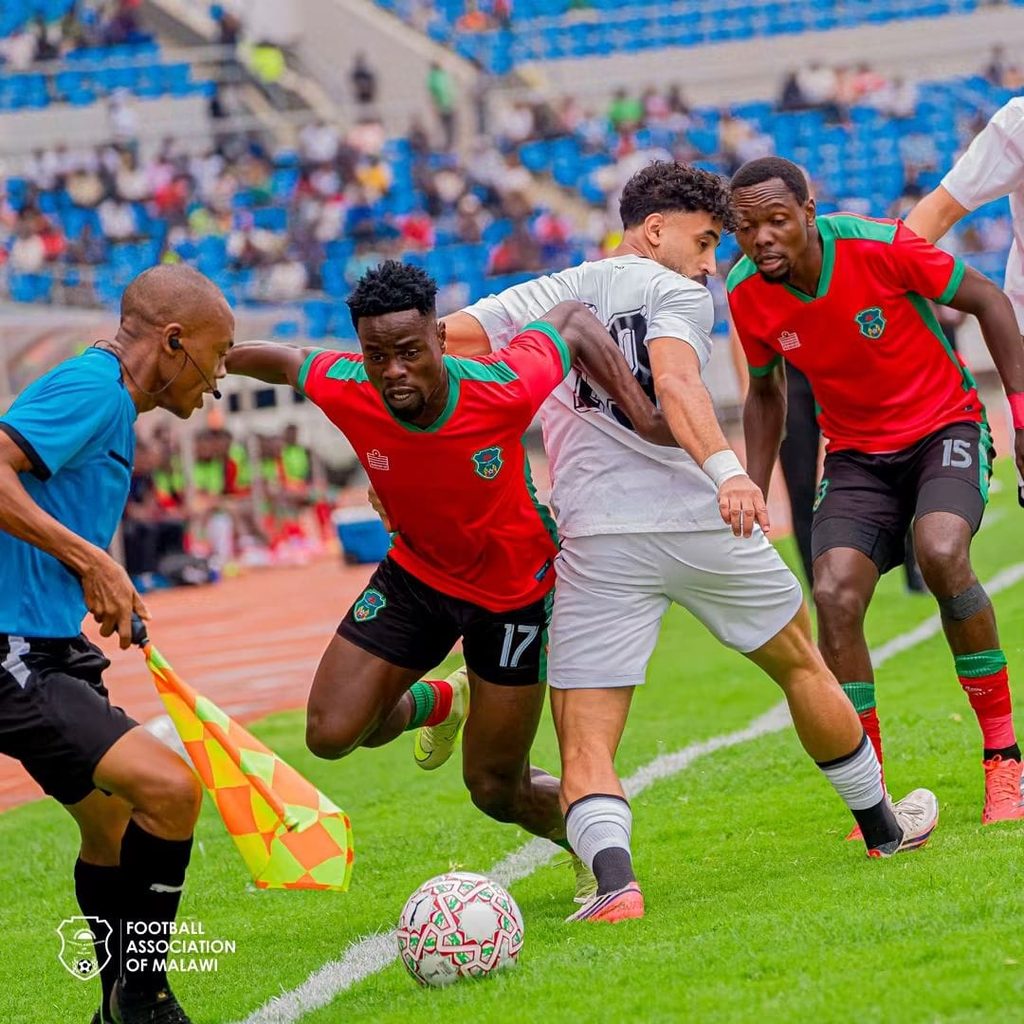
They were more compact, aggressive and disciplined, showing a much better understanding of their defensive responsibilities. The distances between the departments were reduced, players were more willing to close down opponents and Egypt no longer enjoyed the freedom they experienced in Cairo.
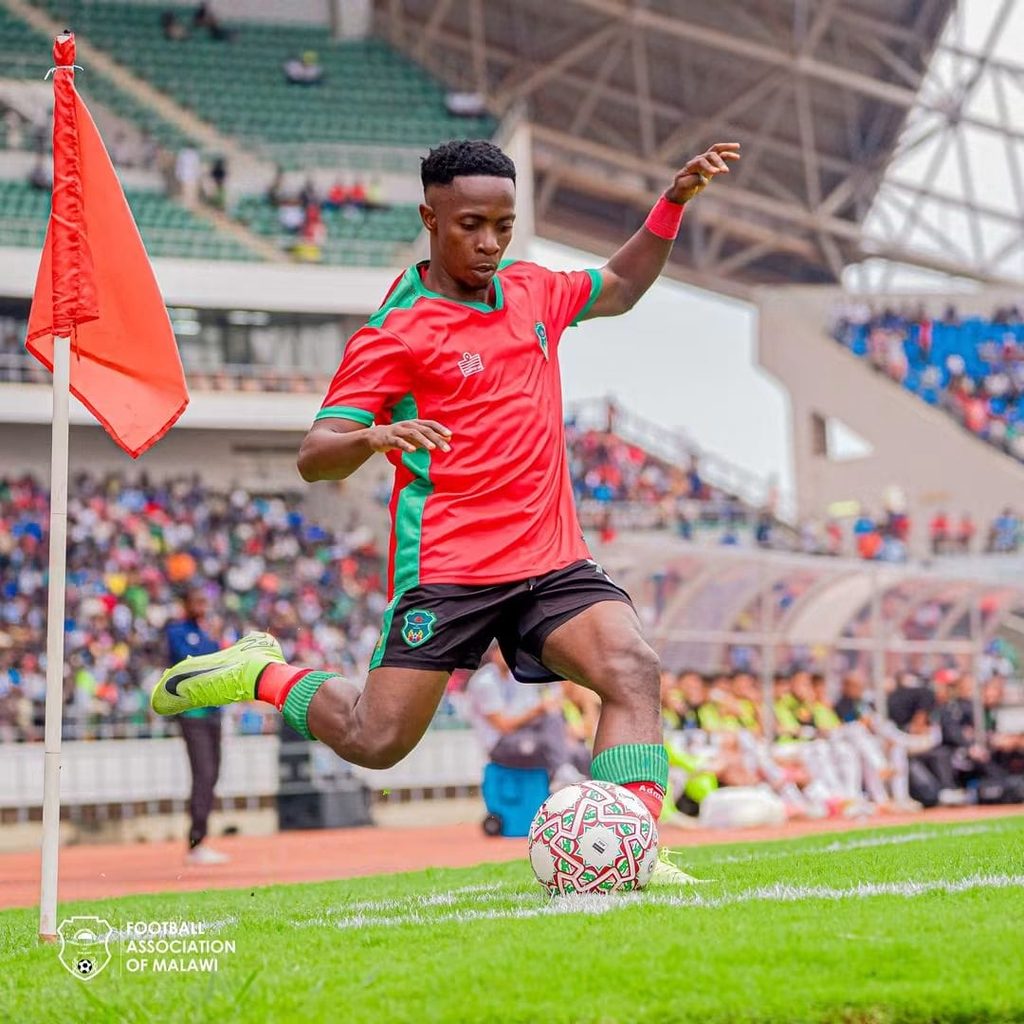
Indeed, Malawi started with encouraging intensity, winning two corners inside the opening three minutes and forcing the Egyptians to defend deeper than they would have anticipated.
The Flames were particularly lively down the right flank, where Gomezgani Chirwa and Gaddie Chirwa combined effectively. Gomezgani offered an attacking outlet through his overlapping runs, delivering crosses into the penalty area, while Gaddie provided width and tracked back diligently to support his full-back defensively.
Their understanding gave Malawi a useful attacking platform, although the same could not initially be said of the opposite flank, where Emmanuel Nyirenda and Wisedinho Mpinganjira struggled to generate similar activity.
However, Mpinganjira eventually came alive. His cross in the 30th minute travelled dangerously across the face of goal without finding a finishing touch.
Towards the end of the first half, he produced another impressive run down the left, although his delivery was intercepted. From the resulting corner, Lloyd Njaliwa failed to convert after the ball was flicked into his path.
Malawi also finished the opening half with four consecutive corners, but their inability to turn set-piece opportunities into goals was symptomatic of a wider attacking problem.
The Flames were getting into promising positions but lacked the necessary quality in the final third.
This was where the absence of a creative midfielder became increasingly apparent.
Playing a 4-3-3 formation similar to Egypt’s, Malawi needed fluidity, intelligent movement and combinations between their full-backs, midfielders and wingers.
The system offered opportunities for overlapping and underlapping runs, with midfielders providing cover as wide players moved inside.
There were moments when this worked, but the build-up play frequently lacked polish and imagination as Malawi could compete for possession and move the ball into attacking areas but struggled to consistently produce the killer pass to put their forwards through on goal.
Patrick Mwaungulu, in particular, offered a glimpse of what could have been. His confidence and ability to operate in tight spaces have previously made him an important attacking asset.
A beautiful exchange involving Mwaungulu, Mpinganjira and Mbulu in the 53rd minute almost produced the breakthrough, but Mwaungulu’s effort sailed over the crossbar.
It was one of those passages of play that demonstrated the potential within the team. The problem was that such combinations were not frequent enough.
Malawi needed a midfielder capable of making those connections happen more consistently, someone who could receive possession under pressure, turn intelligently and release forwards with perfectly weighted passes.
The second half offered further encouragement as the Flames became more fluid and adventurous. McDonald Rameck, introduced for Gomezgani, impressed with his defensive contribution while also helping initiate attacks.
Malawi continued to find attacking avenues, and Mpinganjira had another opportunity in the 56th minute, only to blaze his effort over the bar.
Mbulu also came close in the 61st minute when a promising attacking move ended with his shot being blocked.
These moments showed that the Flames were not short of attacking intent. Rather, they lacked the consistency and precision required to make their attacking movements count.
Pasuwa’s introduction of Babatunde Adepoju for Mbulu and Mwisho Mhango for Mwaungulu in the 68th minute brought a different attacking dimension.
Adepoju’s pace offered Malawi an opportunity to exploit spaces behind Egypt’s defence, while Mhango brought trickery and the ability to beat defenders in one-on-one situations.
The two substitutes provided perhaps the clearest illustration of what Malawi could have achieved with better final-third decision-making.
In the 80th minute, Adepoju used his pace to race down the right flank before cutting inside, but his final delivery went straight into the goalkeeper’s hands. It was an opportunity that demanded greater composure and awareness of the available attacking options.
Mhango was equally adventurous down the left. His dancing feet and ability to manipulate defenders created possibilities that had previously been missing.
However, his cutback was blocked, while another impressive piece of trickery in the 83rd minute again exposed the shortcomings in his final delivery.
Lanjesi Nkhoma, introduced alongside Yankho Singo, also found himself in a promising counter-attacking position in the 90th minute, but his final delivery was disappointing.
These individual contributions should not be overlooked. Gomezgani and Gaddie had provided an energetic outlet down the right, Mpinganjira attempted to bring life to the left, Rameck helped initiate attacks, while Adepoju, Mhango and Nkhoma offered pace and directness.
The problem was that Malawi had several players capable of creating the first or second phase of an attack but lacked someone who could consistently provide the decisive final ball.
There is a difference between having players who can beat their markers and having a player who knows exactly when and where to release a pass that puts a striker in a scoring position.
The Flames had the former but desperately needed the latter.
This is particularly important when considering the qualities of Mbulu and Adepoju. Both forwards could have benefited from deliveries into the channels and penalty area, where their movement, physical presence and finishing ability could have been better utilised.
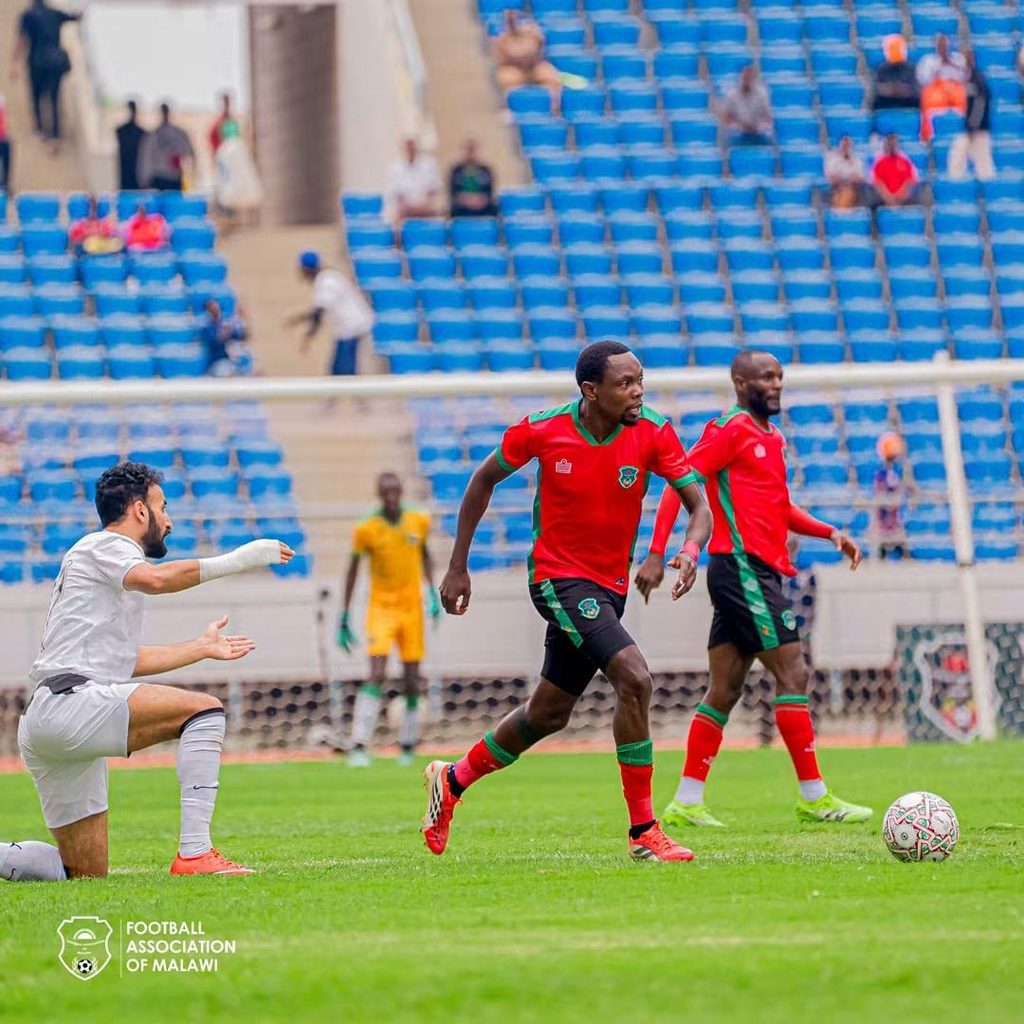
Malawi’s attacking play often depended on individual efforts, crosses without sufficiently coordinated runs into the box and combinations that broke down before producing a genuine goal-scoring opportunity.
To be fair, Egypt were never entirely out of the contest. They threatened on the counterattack, with George Chikooka making important interventions, including a fine save to deny Trézéguet in the 71st minute and another impressive intervention later in the game.
For Pasuwa, the challenge now goes beyond celebrating an improved defensive performance. He must find a way to marry that organisation with attacking creativity.
The search for a midfielder who can dictate the tempo, play incisive passes and consistently connect the midfield with the forwards should be an important consideration.
The 0-0 draw is a significant improvement from the 5-0 embarrassment in Cairo, but it has also exposed a different weakness. Last week, Malawi could not defend properly. This time, they defended and competed much better but could not attack with sufficient quality.
The Flames had feathers – plenty of them – but struggled to find the chicken. They had the energy, movement and occasional flashes of attacking brilliance, but lacked the creative intelligence to turn those ingredients into goals.
